
Author
Taylor Smith
Share
Author
Taylor Smith
Share
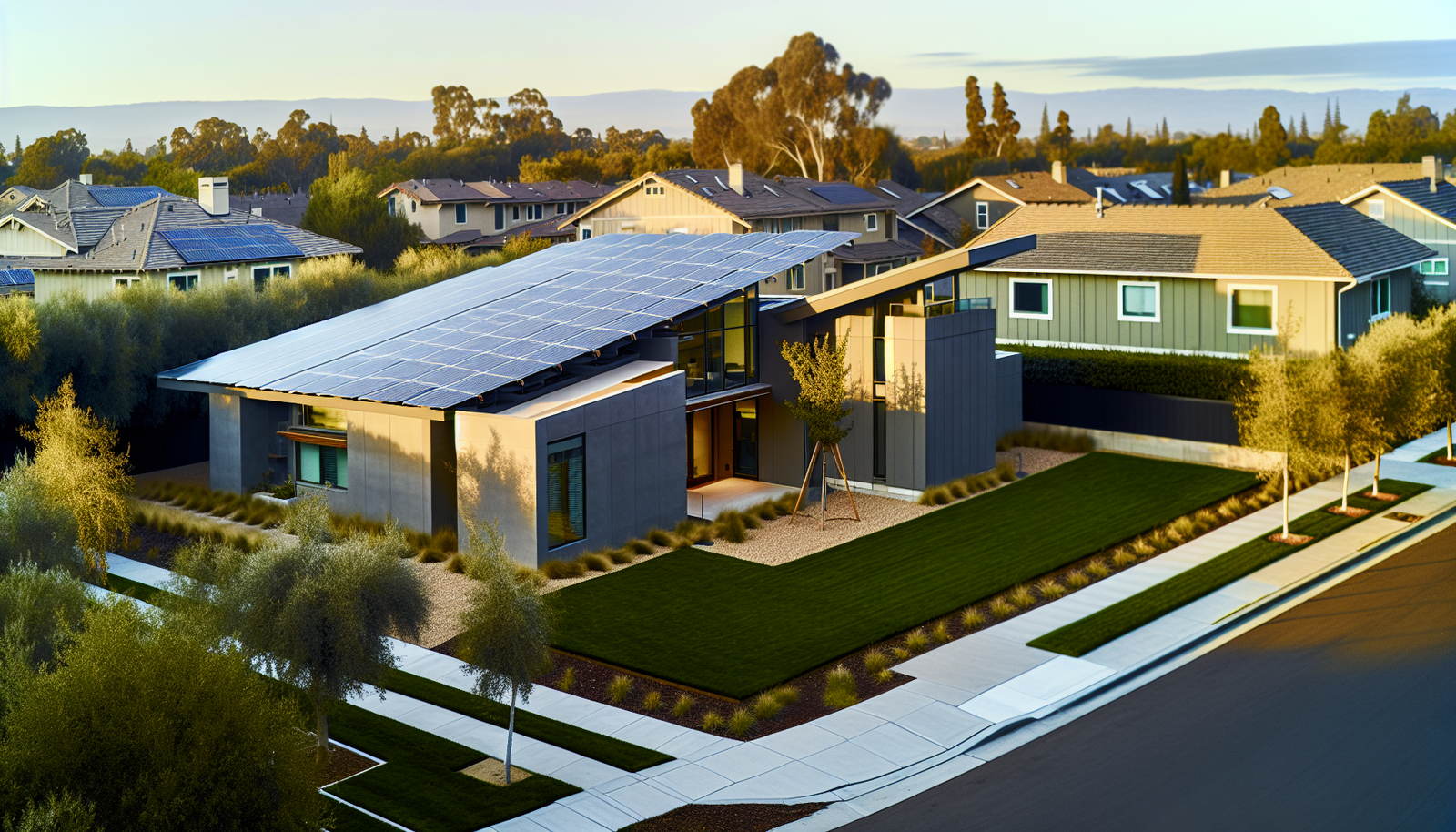
Sustainable residential communities do not happen by chance. They require deliberate planning that balances daily needs with long-term goals. When neighborhoods anticipate future challenges, manage resources wisely, and prioritize resident well-being, they remain stable, safe, and thriving for years. Long-term planning provides a foundation for both operational efficiency and community satisfaction, allowing residents to feel confident and supported in their surroundings.
Anticipating Challenges Before They Arise
Communities face predictable pressures, from seasonal maintenance to evolving regulations. Effective planning helps property managers identify these challenges early and develop solutions before they affect residents. Communities that plan strategically experience fewer disruptions, maintain consistent services, and respond effectively to unexpected situations.
Key areas where foresight matters include:
- Preparing for weather-related maintenance and emergencies
- Budgeting for repairs and capital improvements
- Scheduling regular inspections and preventive upkeep
When neighborhoods address potential issues ahead of time, residents notice smoother operations and greater peace of mind.
Preserving Community Value
Sustainable communities maintain property values and attract long-term residents. Poor planning can lead to deferred maintenance, financial strain, and declining appeal. Neighborhoods that prioritize long-term planning ensure that infrastructure, landscaping, and shared amenities remain in excellent condition. Over time, these communities sustain property values and foster pride among residents.
Strategic Collaboration and Governance
Long-term planning requires collaboration between boards, property managers, and residents. Effective governance ensures that decisions align with both immediate needs and future goals. In Florida, this collaboration is a core aspect of Florida community association management. Boards and managers work together to create strategic budgets, schedule necessary improvements, and implement policies that support sustainable growth. This approach balances operational efficiency with resident satisfaction, creating communities that thrive over time.
Supporting Resident Engagement
Planning is not only operational; it also shapes the social experience of a community. Residents feel confident and connected when they understand how decisions are made and how resources are allocated. Transparent communication, opportunities for input, and clear timelines for projects strengthen trust and foster cooperation. Residents are more likely to take care of shared spaces and participate actively when they see that long-term plans are in place and being executed thoughtfully.
The Lasting Impact of Long-Term Planning
Communities that invest in long-term planning enjoy stability, safety, and sustainability. Residents benefit from reduced disruptions, maintained property values, and a stronger sense of belonging. Operational decisions are made with foresight, minimizing emergency repairs and unexpected costs. Strategic planning supports the health of both physical infrastructure and social cohesion, ensuring neighborhoods remain vibrant and well-functioning for years.
Strong long-term planning demonstrates that residential communities are living systems. Thoughtful approaches to budgeting, maintenance, governance, and resident engagement allow neighborhoods to grow responsibly while remaining secure and welcoming. Residents experience the benefits in daily life, enjoying neighborhoods where stability, clarity, and a sense of community are consistently present.
- Best Practices for Using AI Image Creators
- Breast Reconstruction Physical Therapy: Essential Techniques for Post-Operative Care
- Alzheimer’s Caregiver Support: Critical Guide for Recognizing Alzheimer’s Symptoms
- TMS Therapy: Essential Guide for Choosing Services near Me
- Destin Lymphatic Massage Therapy: Essential Guide for Relaxation and Healing