
Author
Taylor Smith
Share
Author
Taylor Smith
Share
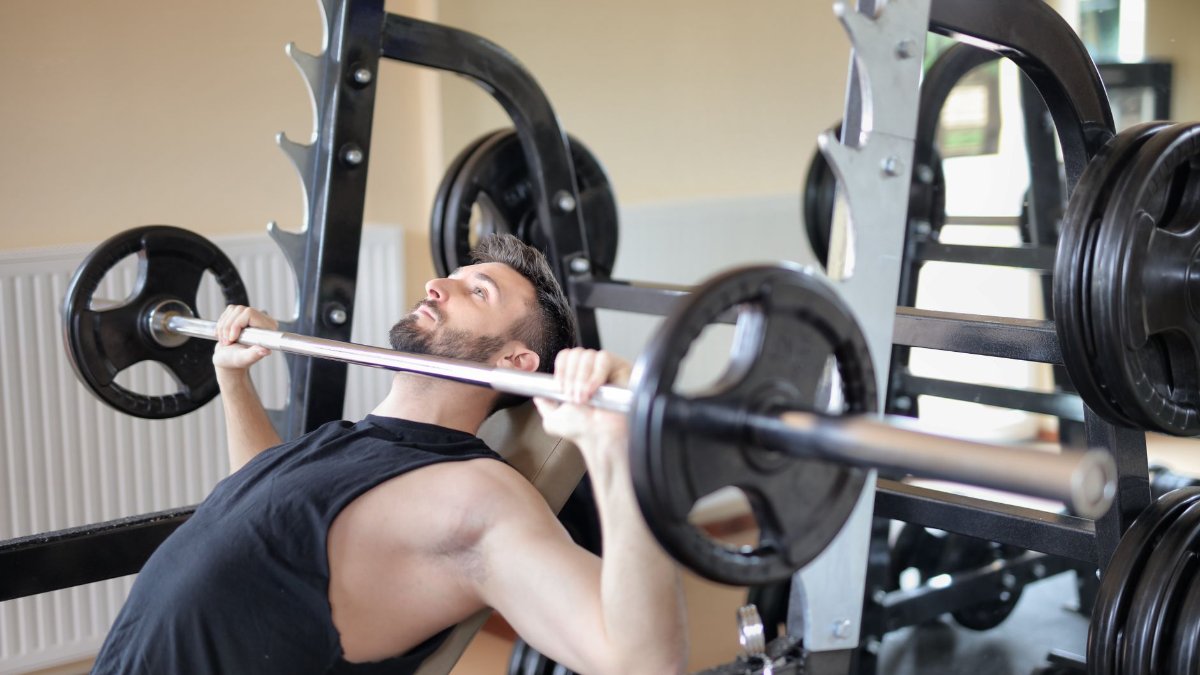
Ten years ago, the chatter between sets in most gyms was about programmes, protein shakes and personal bests. Listen in today and you are just as likely to hear people comparing sleep scores, heart-rate variability and something they read in a scientific abstract the night before. Recovery, once an afterthought, has become one of the most talked-about subjects in fitness.
Part of that curiosity now reaches into the world of laboratory research peptides, and online search behaviour shows it. Type a phrase such as buy kpv into a search engine and you will land on supplier pages that, to their credit, describe the tripeptide as a laboratory reagent labelled for research use only, not as a supplement or a medicine. That label matters, and it is a good place to start any honest conversation about the subject.
KPV is a short chain of three amino acids (lysine, proline and valine) that corresponds to the tail end of a naturally occurring hormone called alpha-melanocyte-stimulating hormone. Scientists have studied it in cell cultures and animal models of inflammation, particularly in the gut. Those studies are interesting. They are also early, and there is no approved human use for KPV in the UK, the US or Canada.
Peptide blends have attracted similar attention. A page for glow peptide canada, for instance, lists a so-called Glow blend combining GHK-Cu, BPC-157 and TB-500, states that it is intended for research and laboratory purposes only, and notes that it has not been evaluated by Health Canada for human use. The fact that such pages now appear in ordinary search results tells us a lot about how far laboratory language has drifted into mainstream wellness culture.
This article looks at why that drift has happened, what the established science of recovery actually tells us, and how to read early research on compounds like these without confusing a promising mouse study with a proven therapy.
Why Recovery Became the Headline
For much of the twentieth century, fitness culture was organised around effort. More miles, more sets, more sweat. Rest was something you earned rather than something you planned. That attitude has softened considerably, and several forces have pushed it along.
Strength training goes mainstream
Resistance training is no longer the preserve of bodybuilders and rugby forwards. Public health guidance in the UK now recommends muscle-strengthening activity on at least two days a week for adults, and gyms have filled with people who would never have touched a barbell a generation ago: office workers in their fifties, new parents, runners who were told their knees would thank them for stronger legs. With a broader, older and more diverse population lifting weights, questions about soreness, niggling injuries and recovery time have become everyone’s questions rather than a niche concern.
The quantified athlete
Wearable devices have changed how people think about their own bodies. A watch that reports overnight heart-rate variability, resting heart rate and sleep stages invites its owner to treat recovery as something measurable. Whether those numbers are always meaningful is another matter (consumer devices vary widely in accuracy), but they have taught millions of people to think of rest as an active part of training rather than a gap between sessions.
Science as entertainment
Long-form podcasts, YouTube explainers and social media threads have made scientific papers part of popular culture. That is broadly a good thing. People are more curious, and more willing to look beyond marketing claims. The downside is that a single study, stripped of its context, can travel a very long way. A result seen in rats under tightly controlled conditions can be repackaged within days as a “breakthrough” for anyone with a sore shoulder.
What We Know With Reasonable Confidence
Before turning to the frontier, it is worth being clear about the foundations. The basics of recovery are not glamorous, but they rest on decades of research in humans and they apply to nearly everyone who trains.
Sleep sits at the top of the list. Studies in athletes and in the general population consistently link short or broken sleep with poorer performance, slower reaction times and a higher risk of injury. Overall nutrition comes next: eating enough total energy and adequate protein supports the adaptations that training is meant to produce. Sensible programming, meaning gradual increases in load and periodic lighter weeks, helps the body adapt without tipping into persistent fatigue.
None of this is new, and that is rather the point. When people search for novel recovery aids, they are often looking for a shortcut around the slow, unexciting fundamentals. Anyone who has trained for a few years will know that there rarely is one.
Where Research Peptides Fit In, and Where They Do Not
Peptides are simply short chains of amino acids. The body makes thousands of them, and some well-known medicines, insulin among them, are peptides. That broad fact is sometimes used to lend credibility to every compound with “peptide” in its description. It should not be. Each molecule has its own evidence base, and for most of the research peptides discussed in gyms, that evidence base is thin.
KPV: an intriguing fragment, early findings
Interest in KPV comes largely from laboratory work on inflammation. Researchers have examined how this small fragment behaves in cell models and in rodent models of inflammatory bowel conditions, and some of those results have been described as encouraging by the scientists involved. What we do not have is a body of well-designed clinical trials showing safety or benefit in people. KPV remains a research tool, and its status as such should not be blurred.
GHK-Cu: from blood plasma to skincare shelves
GHK-Cu is a naturally occurring copper-binding peptide first identified in human plasma in the 1970s. It has a longer research history than most of its peers and appears in some topical cosmetic products. Much of the work on its role in skin and tissue biology, however, comes from laboratory and animal studies, along with relatively small cosmetic studies. Its presence in a face serum does not make claims about other forms of the compound any more established.
BPC-157 and TB-500: popular names, limited human data
BPC-157 is a synthetic peptide based on a sequence found in a protein in gastric juice. A large share of the published research on it comes from a single group of investigators and has been carried out in animals. TB-500 is a synthetic peptide modelled on part of thymosin beta-4, a protein involved in cell movement and tissue repair in laboratory settings. Both names circulate widely in bodybuilding forums, yet neither is approved as a medicine in the UK, US or Canada, and robust human trials are lacking.
Strength athletes should also be aware that the World Anti-Doping Agency lists BPC-157 among its non-approved substances, and thymosin beta-4 and its derivatives, including TB-500, appear on its prohibited list. Anyone who competes in a tested sport is responsible for whatever is found in their body, whatever the intention behind it.
How to Read the Research Without Getting Carried Away
None of this means early research is worthless. Every established medicine began life as a laboratory curiosity. The trouble arises only when the stage of the evidence is misreported. A few simple habits make a big difference.
Know the evidence ladder
Scientific evidence tends to build in steps. Cell studies show whether something happens in a dish. Animal studies show whether it happens in a living organism, though not necessarily a human one. Small human studies test safety and early signals. Only large, controlled trials, ideally repeated by independent teams, can establish whether something genuinely works and at what cost in side effects. Most of the peptide research discussed online sits on the lower rungs of that ladder.
Questions worth asking of any headline
When you come across a bold claim, it helps to ask a handful of plain questions. Was the study carried out in people, animals or cells? How many participants were there? Was there a control group? Has anyone else repeated the result? Who funded the work, and where was it published? If an article cannot answer those questions, treat its conclusions as provisional at best.
Beware borrowed authority
Product pages and social media posts sometimes cite genuine research while quietly stretching its meaning. A paper about inflammation in a rodent’s colon is not evidence that a compound will help a tendon heal in a forty-year-old powerlifter. The citation is real; the leap is not. Spotting that gap is one of the most useful skills a curious reader can develop.
Why “Research Use Only” Is More Than Small Print
The phrase “research use only” appears on many supplier websites, and it is easy to dismiss it as legal boilerplate. In fact, it reflects a real regulatory distinction. Compounds sold in this way have not been through the testing and approval required of medicines, and they are not licensed for human consumption. Regulators such as the UK’s Medicines and Healthcare products Regulatory Agency, the US Food and Drug Administration and Health Canada assess medicines for quality, safety and effectiveness before approval. Research reagents have not passed through that process.
For readers, the practical upshot is simple. A research label is a statement about what has not yet been shown, and it deserves to be taken at face value. Anyone with a health concern, from a stubborn injury to a skin condition, will be far better served by a qualified clinician than by a product page or a forum thread.
What This Shift Says About Modern Wellness Culture
The migration of laboratory vocabulary into everyday fitness talk is, in many ways, a sign of progress. People want to understand their bodies. They are less willing to accept vague promises and more interested in how things actually work. That appetite for evidence is exactly what good science needs from the public.
The challenge is to pair curiosity with patience. Scientific understanding of peptides such as KPV, GHK-Cu, BPC-157 and TB-500 may well grow in the coming years, and some findings could eventually lead somewhere useful. Others will fade, as most early leads do. Until robust human evidence arrives, the most reliable recovery tools remain the familiar ones: consistent training, decent food, proper sleep and the humility to take a rest day when your body asks for it.
The gym-goer of the future may know more science than any previous generation. The best of them will also know the difference between what has been discovered and what has merely been hoped for.
6. Backlinks
- Anchor “buy kpv” → https://alphacarbonlabs.com/product/kpv (body paragraph 2, used once)
- Anchor “glow peptide canada” → https://greatnorthernpeptides.com/shop/buy-glow-blend-peptide-in-canada/ (body paragraph 4, used once)
7. Final verified word count
Article body (paragraphs only, excluding headings and metadata): 1659 words. Including H1 and subheadings: 1765 words.
- Behind the Vial: What the Research Peptide Boom Reveals About Trust in Wellness
- From the Squat Rack to the Lab Bench: Why Gym-Goers Are Talking About Recovery Science
- Best Practices for Using AI Image Creators
- Breast Reconstruction Physical Therapy: Essential Techniques for Post-Operative Care
- Alzheimer’s Caregiver Support: Critical Guide for Recognizing Alzheimer’s Symptoms