
Author
Taylor Smith
Share
Author
Taylor Smith
Share
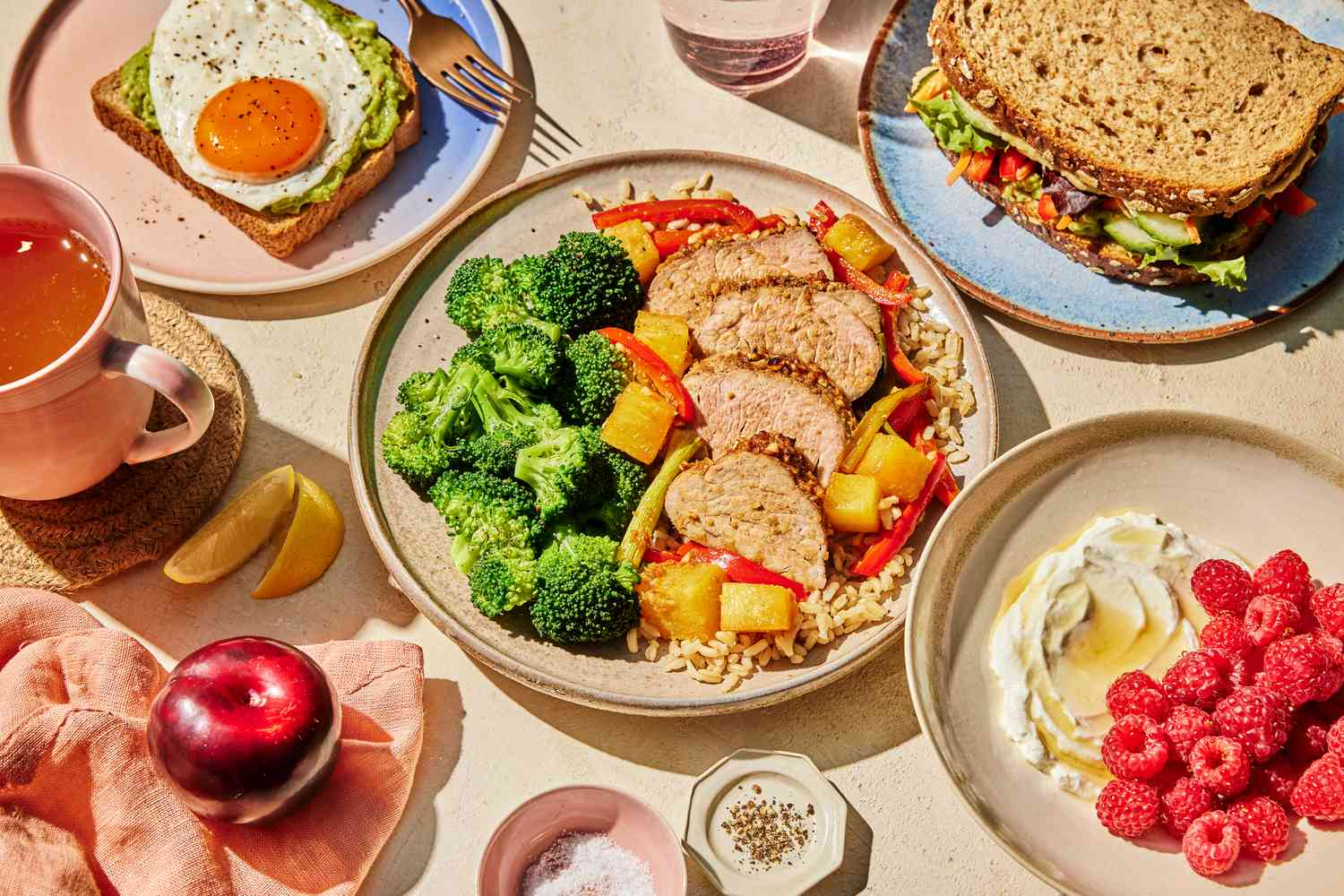
Maintaining a healthy lifestyle often feels like a juggling act between eating the right foods, staying active, and keeping your energy levels high. One of the most effective ways to achieve your health goals is through healthy meal plans that support both weight loss and sustained energy throughout the day. With the right combination of nutrients, portion sizes, and timing, you can nourish your body, shed extra pounds, and feel more energized than ever.
In this article, we’ll explore the basics of creating a balanced meal plan, the foods that can boost weight loss and energy, and practical tips to make healthy eating a long-term habit.
Why Meal Planning Matters
When it comes to losing weight and increasing energy, eating randomly or skipping meals can be counterproductive. Meal planning helps in several ways:
- Controls Portions: It prevents overeating by structuring meals ahead of time.
- Balances Nutrients: Ensures your body gets enough proteins, carbs, and healthy fats.
- Reduces Stress: Knowing what to eat removes last-minute decisions that can lead to unhealthy choices.
- Boosts Energy: Regular, balanced meals prevent sugar crashes and maintain steady energy levels.
Key Principles of a Healthy Meal Plan
A meal plan for weight loss and energy should focus on nutrient-rich foods, portion control, and timing. Here are the key principles:
1. Prioritize Protein
Protein is essential for building muscle, repairing tissues, and keeping you full. Including protein in every meal helps you avoid unnecessary snacking and supports weight loss.
Good sources of protein include:
- Eggs
- Lean meats like chicken and turkey
- Fish such as salmon and tuna
- Legumes like lentils and chickpeas
- Greek yogurt or cottage cheese
2. Include Complex Carbohydrates
Complex carbs provide long-lasting energy because they digest slowly. Avoid refined carbs like white bread and sugary snacks, which can cause energy crashes.
Healthy complex carbs include:
- Whole grains like quinoa, brown rice, and oats
- Sweet potatoes
- Whole wheat pasta
- Vegetables like broccoli, spinach, and carrots
3. Don’t Skip Healthy Fats
Healthy fats are crucial for brain function, hormone balance, and energy. They also help you feel satisfied after meals.
Sources of healthy fats:
- Avocado
- Nuts and seeds (almonds, chia seeds, flaxseeds)
- Olive oil
- Fatty fish (salmon, mackerel)
4. Load Up on Vegetables and Fruits
Vegetables and fruits are low in calories but high in fiber, vitamins, and minerals. They support digestion, reduce cravings, and give you energy. Aim for at least half of your plate to be fruits and vegetables.
Sample Healthy Meal Plan
Here’s a simple daily meal plan that supports weight loss and energy.
Breakfast:
- 2 boiled eggs or an omelet with spinach and tomatoes
- 1 slice of whole-grain toast
- 1 small fruit like an apple or berries
- Green tea or black coffee (optional)
Why it works: Protein and fiber keep you full, while the fruit provides natural energy.
Mid-Morning Snack:
- Greek yogurt with chia seeds and a handful of berries
Why it works: Provides protein and healthy fats without excess calories.
Lunch:
- Grilled chicken or tofu
- Quinoa or brown rice (small portion)
- Steamed vegetables (broccoli, zucchini, or carrots)
- A drizzle of olive oil or lemon juice
Why it works: Balanced carbs, protein, and fats sustain energy for the afternoon.
Afternoon Snack:
- Handful of almonds or walnuts
- 1 small carrot or cucumber sticks
Why it works: Healthy fats and fiber prevent mid-afternoon energy crashes.
Dinner:
- Baked salmon or grilled lean meat
- Large serving of leafy greens (spinach, kale, or mixed salad)
- Steamed or roasted vegetables
- Optional small portion of sweet potato
Why it works: A light, nutrient-dense dinner promotes recovery and avoids excess calories before bed.
Optional Evening Snack:
- Herbal tea and a few slices of avocado or a small piece of dark chocolate
Tips for Success
- Prep in Advance: Meal prepping on weekends can make weekday healthy eating easier.
- Stay Hydrated: Drinking water boosts metabolism and energy.
- Listen to Your Body: Eat when hungry and stop when full.
- Limit Sugary Drinks: Sugary drinks spike energy briefly but lead to crashes.
- Track Progress: Journaling meals helps you stay accountable and spot patterns.
Foods to Avoid
Even with a healthy plan, some foods can sabotage weight loss and energy levels:
- Sugary snacks and desserts
- Processed foods like chips or fast food
- White bread, pasta, and refined grains
- Sugary drinks and energy drinks
- Excess fried foods
Benefits of a Healthy Meal Plan for Weight Loss and Energy
- Steady Energy Levels: Balanced meals prevent spikes and crashes in blood sugar.
- Improved Metabolism: Protein-rich meals boost metabolism and fat burning.
- Weight Loss Support: Proper portion sizes help reduce unnecessary calorie intake.
- Better Mood: Nutrient-dense foods support brain function and mood stability.
- Overall Health: Improves heart health, digestion, and immunity.
5 Frequently Asked Questions (FAQs)
1. How many meals should I eat in a day?
Most people do well with three main meals and 1-2 snacks, which helps keep energy levels steady and prevents overeating.
2. Can I still eat carbs while losing weight?
Yes! Focus on complex carbs like oats, quinoa, and vegetables. They provide energy and fiber while supporting weight loss.
3. How can I avoid cravings?
Eat protein and fiber-rich meals, stay hydrated, and plan healthy snacks. Cravings often appear when your body lacks nutrients or energy.
4. Is it okay to eat out while following a meal plan?
Yes, but choose grilled or steamed options, avoid fried foods, and control portions. You can enjoy social outings without derailing your plan.
5. How soon will I see results from a healthy meal plan?
Results vary, but most people notice increased energy within a week and gradual weight loss over 3-6 weeks with consistency.