
Author
Taylor Smith
Share
Author
Taylor Smith
Share
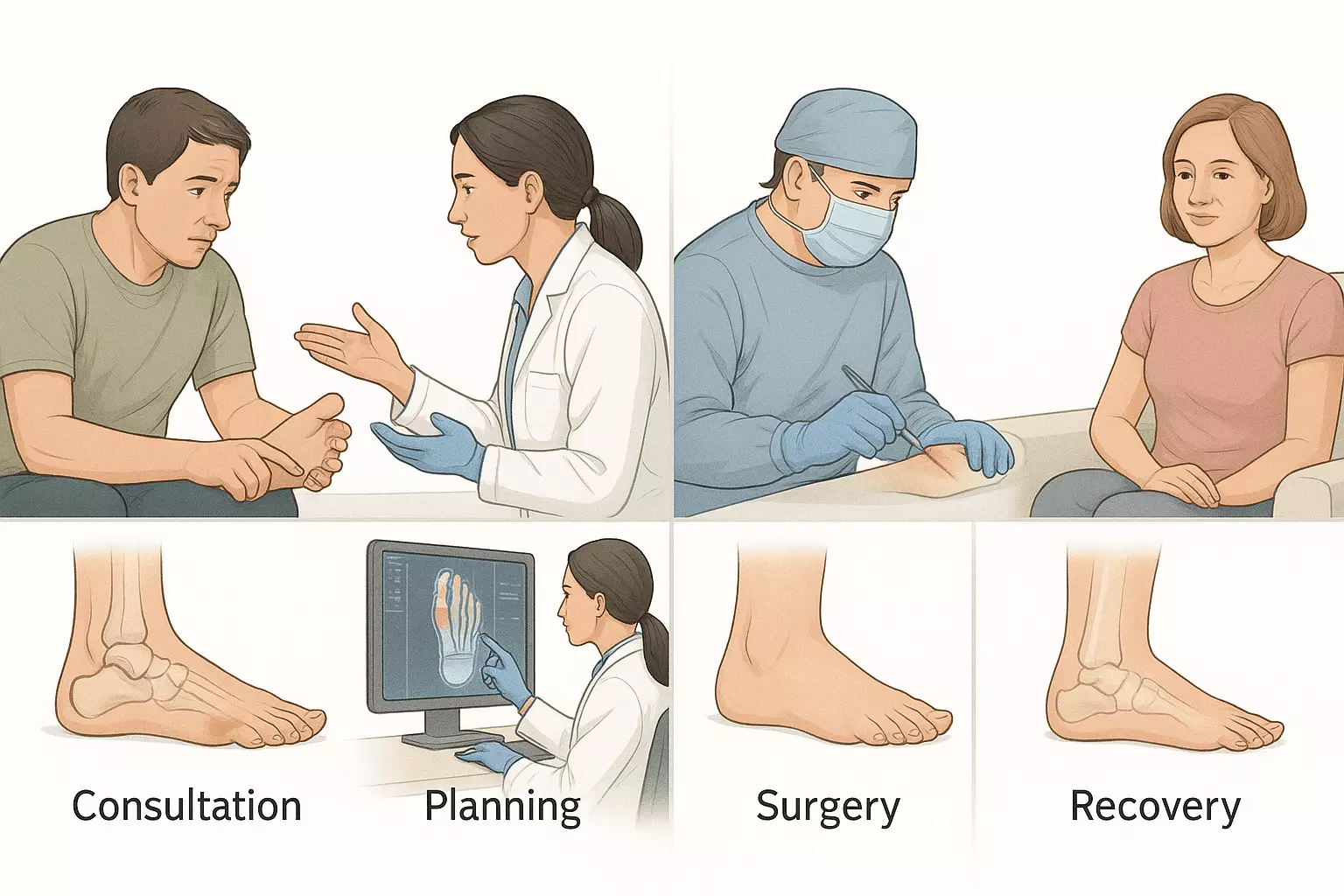
We talk a lot about self-improvement as if it lives in the mirror. Straighter teeth. Smoother skin. A better outfit. Yet for many people, the most meaningful upgrades show up in the small moments no one else sees. Breathing easily through your nose. Walking without back pain. Feeling at home in your own body during everyday movement. Corrective procedures often get lumped into the same category as cosmetic tweaks, which misses the point, because their real value shows up in the small, everyday moments that shape life.
Septoplasty
If you’ve ever gone to bed exhausted and woken up even more drained, you know that breathing—or the lack of it—reaches into every corner of life. A deviated septum blocks airflow, and it sneaks into mornings, workouts, and patience. People adapt. They mouth-breathe through meetings. They accept snoring as a quirky signature. They slow down at the gym, telling themselves it’s just “life catching up.” Fatigue settles in, and somehow, it begins to feel normal.
Septoplasty fixes the structural issue in the nose, opening the passages so air moves freely. Sleep deepens without effort. Energy returns without coffee or alarms. A run that once felt exhausting now feels natural. The difference may not show in photos, but it reshapes how every day unfolds.
Patients describe the change in simple, honest terms. “I can finally breathe during my morning run.” “My headaches disappeared.” Many notice an unexpected mental clarity, a sense of calm because the body no longer resists.
When Relief Outweighs Appearance
Large breasts carry social assumptions. People talk about aesthetics and ignore physics. Weight on the chest changes posture, strains the neck, pulls on the shoulders, and reshapes daily movement. Shopping becomes frustrating. Exercise becomes uncomfortable. Even standing still can hurt.
Breast reduction is often framed as an appearance choice, yet most patients pursue it for relief. Less weight means less pain. Clothing fits the way it was designed to fit. Physical activity becomes accessible again. Many patients describe a sense of physical freedom they had not felt since adolescence.
There is an emotional shift that follows. When pain fades, energy returns. When movement feels easier, participation increases. People stop planning their day around discomfort. That ripple effect touches work, relationships, and mental health in ways that are rarely noticed.
Comfort After Change
Bodies change after childbirth, with age, and through shifts in hormones, but most of us barely talk about it. Yet the effects show up every day—discomfort, dryness, less sensation, a sense of being disconnected from your own body. Even when unspoken, these struggles ripple into confidence, relationships, and how fully people engage with life.
The good news is that vaginal rejuvenation options can help. They cover a range of surgical and non-surgical approaches that address tissue laxity, dryness, and everyday functional concerns. People usually consider treatment not because they are chasing an ideal, but because the little frictions of daily life have started to feel bigger than they should.
The shift is subtle at first. Daily comfort returns. People notice a renewed sense of ownership over their bodies, a confidence that changes how they move, how they show up, how they live. Feeling comfortable in your own body has a way of clearing mental clutter, easing anxiety, and letting you simply be present in each moment, whether through taking stunning selfies with friends and families, editing via profile picture maker, or planning for the next weekend trip with your loved ones without worries.
Why These Procedures Get Misunderstood
There is a reflexive judgment attached to any intervention involving the body. We assume motivation. We project insecurity. We miss the practical reality. Pain, discomfort, and functional limitations erode joy over time, but addressing them is an act of self-respect.
Corrective procedures do not promise happiness but they do remove obstacles, and that distinction matters. When breathing is easier, when movement hurts less, and when the body feels responsive rather than resistant, people gain bandwidth. They show up more fully for work, family, and themselves.
- Best Practices for Using AI Image Creators
- Breast Reconstruction Physical Therapy: Essential Techniques for Post-Operative Care
- Alzheimer’s Caregiver Support: Critical Guide for Recognizing Alzheimer’s Symptoms
- TMS Therapy: Essential Guide for Choosing Services near Me
- Destin Lymphatic Massage Therapy: Essential Guide for Relaxation and Healing