
Author
Taylor Smith
Share
Author
Taylor Smith
Share
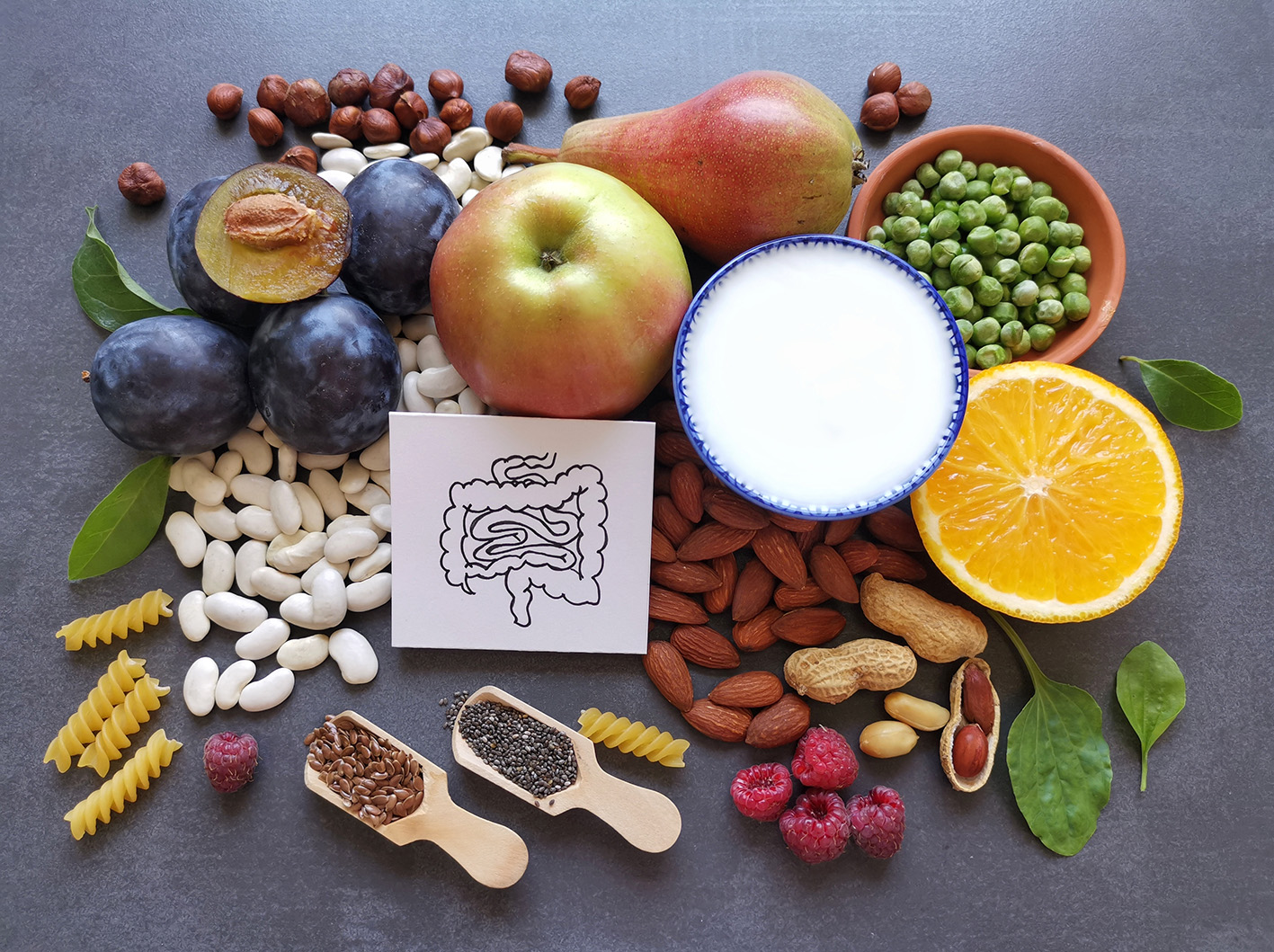
Our digestive system is one of the most important parts of the body, yet it often gets neglected. A healthy gut not only helps break down food and absorb nutrients but also supports immunity, mental health, and overall energy levels. Many people suffer from digestive issues such as bloating, constipation, acid reflux, or irregular bowel movements, often due to poor diet, stress, or lifestyle habits. The good news is that nature offers plenty of remedies to support digestion and improve gut health. In this article, we will explore simple and effective natural remedies, backed by science and traditional knowledge, to help you feel better from the inside out.
Understanding Digestive Health
Before we dive into remedies, it’s important to understand the role of digestion. The digestive system is responsible for breaking down food into nutrients, which are then absorbed into the bloodstream to fuel the body. A healthy gut contains a balanced community of microorganisms, known as gut flora or microbiome. These bacteria help digest certain foods, produce essential vitamins, and maintain immunity.
When the gut flora is disrupted, it can lead to digestive discomfort, food intolerances, and even inflammation. Stress, processed foods, alcohol, and antibiotics can all disturb the natural balance in your digestive system. Supporting your digestion naturally involves nourishing the gut, promoting healthy bacteria, and reducing factors that irritate the digestive tract.
Natural Remedies to Improve Digestion
Here are some proven natural remedies that can help improve digestion and enhance gut health:
1. Probiotics
Probiotics are live bacteria that are beneficial for your gut. They help restore the balance of healthy bacteria and improve digestive function. Foods rich in probiotics include:
- Yogurt (with live cultures)
- Kefir
- Sauerkraut
- Kimchi
- Miso
Taking probiotic supplements can also be helpful, especially if you have digestive issues like irritable bowel syndrome (IBS). Regular consumption of probiotics may help reduce bloating, gas, and diarrhea while supporting a stronger immune system.
2. Prebiotics
While probiotics are the beneficial bacteria themselves, prebiotics are the food for these bacteria. Prebiotics are found in high-fiber foods that feed your gut flora and promote their growth. Some natural prebiotic sources are:
- Bananas
- Garlic
- Onions
- Leeks
- Asparagus
- Whole grains
Including these foods in your daily diet ensures that your gut bacteria stay healthy and active.
3. Ginger
Ginger has been used for centuries to relieve digestive problems. It can help reduce nausea, stimulate saliva and bile production, and ease bloating. You can use ginger in several ways:
- Fresh ginger tea
- Adding grated ginger to meals
- Ginger supplements
Regular consumption of ginger may also help improve the movement of food through the digestive tract, reducing indigestion and discomfort.
4. Peppermint
Peppermint is well-known for its soothing effect on the digestive system. Peppermint oil or tea can relax the muscles of the gastrointestinal tract, which may relieve bloating, gas, and cramps. However, if you have acid reflux, peppermint might worsen symptoms for some people, so use it cautiously.
5. Fennel Seeds
Fennel seeds are a traditional remedy for digestive issues. They help reduce bloating, gas, and stomach cramps. Chewing fennel seeds after meals or drinking fennel tea can improve digestion naturally. Fennel also has anti-inflammatory properties, which can calm the gut lining.
6. Hydration
Drinking enough water is essential for proper digestion. Water helps break down food, absorb nutrients, and move waste through the intestines. Dehydration can lead to constipation and digestive discomfort. Aim for at least 6–8 glasses of water daily, and consider herbal teas for added benefits.
7. Fiber-Rich Foods
Dietary fiber plays a key role in digestion. It helps regulate bowel movements, prevents constipation, and feeds beneficial gut bacteria. There are two types of fiber:
- Soluble fiber: Found in oats, apples, and beans; helps soften stools.
- Insoluble fiber: Found in whole grains, nuts, and vegetables; adds bulk to stools and promotes regularity.
A balanced intake of both types of fiber supports overall gut health.
8. Apple Cider Vinegar
Apple cider vinegar (ACV) can stimulate stomach acid production, which may improve digestion, especially after heavy meals. To use ACV, mix 1–2 teaspoons in a glass of water and drink before meals. Be cautious if you have acid reflux, as it can aggravate symptoms in some people.
9. Turmeric
Turmeric contains curcumin, which has anti-inflammatory properties. It can help soothe the gut and reduce symptoms of indigestion and bloating. Adding turmeric to your meals or drinking turmeric tea can be a natural way to support your digestive health.
10. Mindful Eating
Often, digestive problems are not only caused by what we eat but how we eat. Eating too quickly, skipping meals, or eating under stress can affect digestion. Tips for mindful eating include:
- Chew your food slowly
- Eat smaller, more frequent meals
- Avoid distractions while eating
- Take deep breaths and relax before meals
Mindful eating helps your body digest food more efficiently and reduces digestive discomfort.
Lifestyle Tips to Support Gut Health
Besides natural remedies, certain lifestyle habits can enhance digestion and gut health:
- Regular exercise: Physical activity stimulates intestinal muscles and promotes regular bowel movements.
- Reduce stress: Stress can affect gut bacteria and digestion. Meditation, deep breathing, or yoga can help.
- Limit processed foods and sugar: High sugar and processed foods can disrupt gut flora.
- Get enough sleep: Poor sleep can negatively affect your digestive system.
By combining natural remedies with healthy lifestyle habits, you can maintain a strong and balanced digestive system.
5 FAQs About Digestion and Gut Health
1. Can natural remedies replace medicine for digestive issues?
Natural remedies can support digestion and relieve mild discomfort, but they should not replace medical treatment for serious conditions like ulcers, Crohn’s disease, or persistent IBS. Always consult a doctor if symptoms persist.
2. How long does it take to improve gut health naturally?
It varies by individual, but most people notice improvements in 2–4 weeks with consistent use of probiotics, prebiotics, and healthy habits.
3. Are probiotics safe for everyone?
For most healthy people, probiotics are safe. However, individuals with weakened immune systems or severe illnesses should consult a doctor before taking supplements.
4. Can stress affect digestion?
Yes, stress can cause digestive problems like bloating, diarrhea, and stomach cramps. Managing stress is crucial for maintaining gut health.
5. What foods should I avoid for better digestion?
Highly processed foods, excessive sugar, fried foods, and artificial additives can harm gut health. Limiting these while focusing on whole, fiber-rich foods is ideal.